Everything About Lawful Video Depositions: How They Function and Why You Required Them
Legal video depositions play an essential role in the litigation procedure. They record witness testimonies in a manner that protects both spoken words and non-verbal signs. This technique supplies unique benefits over traditional written depositions. Recognizing how these depositions feature and their significance can greatly influence case end results. The complexities of the process and its technical aspects expose much about their effectiveness. What stays to be discovered is exactly how they are made use of in court settings.

What Is a Lawful Video Deposition?
A legal video deposition is a recorded testimony extracted from a witness under vow, usually carried out outside of the court. This procedure catches both the non-verbal and spoken actions of the witness, offering a detailed account of their declarations. Legal video clip depositions offer several functions in lawsuits, consisting of preserving a witness's statement for later use in court, assessing the trustworthiness of the witness, and promoting negotiation conversations. They are often made use of in civil situations, specifically in individual injury or contract disputes, where witness accounts can greatly impact the outcome. The visibility of a court press reporter guarantees that a verbatim records goes along with the video recording, preserving a trusted record of the proceedings. Lawful video depositions are an essential tool for attorneys, offering a dynamic method to present evidence and assess the strengths and weak points of a situation prior to it reaches test.
The Process of Carrying Out Video Clip Depositions
Conducting video clip depositions entails numerous crucial steps to guarantee a effective and smooth procedure. Attorneys have to set up the deposition and notify all events included, ensuring that the area and time are suitable. Before the deposition, it is necessary to prepare the witness by reviewing the concerns that will certainly be presented and the total layout of the session.On the day of the deposition, a certified videographer establishes the necessary tools, guaranteeing perfect lights and sound top quality. As the deposition starts, the witness is promised in, and examining earnings as in a traditional deposition, today come with by video recording.Throughout the session, the videographer keeps track of the tape-recording to protect against disruptions and make certain quality. Once completed, the video is evaluated for quality control. Ultimately, the recording is modified and kept firmly for future reference, maintaining the stability of the testimony.
The Technology Behind Video Depositions
The modern technology that supports video clip depositions plays a vital function in making sure efficient and clear documents of legal proceedings. This consists of the devices made use of for recording, the arrangement required for perfect performance, and the processes associated with modifying and saving the video footage. Recognizing these elements is important for legal specialists aiming to leverage video depositions properly.
Devices and Arrangement
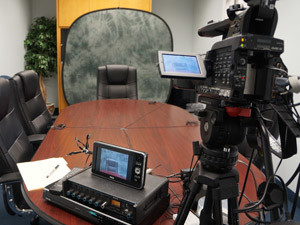
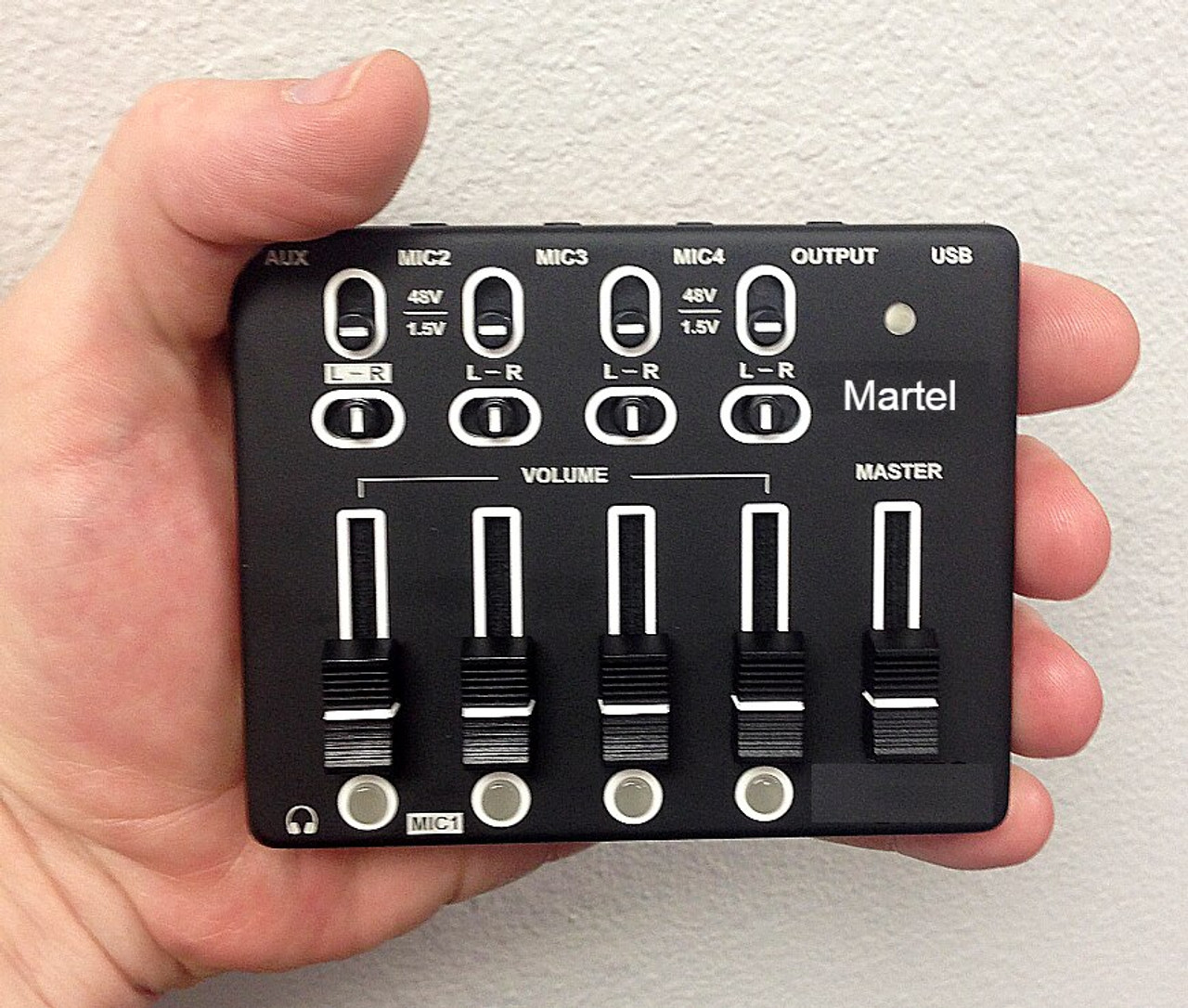
While getting ready for a video deposition, focus to devices and configuration is vital for recording clear and reliable footage. The key elements include high-grade cameras, microphones, and illumination systems. Cams should be qualified of taping in high interpretation to guarantee that every detail shows up. Professional-grade microphones, ideally lavalier or shotgun types, enhance audio quality by reducing history sound. Appropriate lighting is vital; soft, diffused light assists stay clear of rough darkness and boosts face exposure. Additionally, secure tripods are needed to avoid camera shake. A devoted space, without distractions, further boosts the high quality of the deposition. Confirming that all tools is examined before the session guarantees a seamless recording experience, adding to the honesty of the lawful process.
Recording Refine Explained
A seamless recording procedure is necessary for making certain the integrity of video clip depositions. This process typically starts with top quality cameras and audio devices, capturing both acoustic and visual aspects with precision. During the deposition, the videographer checks the configuration, ensuring suitable framing and audio levels. Illumination is carefully gotten used to eliminate shadows and boost exposure. The driver also records the procedures in real-time, concentrating on both the deponent and any appropriate records or shows offered. As the deposition unfolds, the innovation permits prompt playback, making certain that any technical concerns can be without delay dealt with. This thorough focus to information guarantees that the final video properly reflects the statement and keeps its legitimacy for legal functions.
Editing And Enhancing and Storage Space Options
Editing and enhancing and storage alternatives play an essential duty in the management of video depositions, ensuring that the videotaped product is both polished and securely protected. Post-production editing and enhancing typically involves eliminating peripheral web content, enhancing audio and aesthetic quality, and adding graphics or notes where essential. This procedure guarantees that the deposition is professional and clear, ultimately assisting in lawful presentations.In regards to storage space, safe digital platforms are vital for securing delicate details. Choices include cloud storage space remedies and encrypted disk drives, both of which offer trustworthy access and back-up. By making use of these innovations, attorneys can efficiently take care of video depositions, ensuring they are conveniently retrievable and safeguarded against unapproved gain access to, consequently keeping the honesty of the lawful procedure.
Benefits of Video Clip Depositions Over Written Depositions
Video clip depositions existing numerous advantages over standard written depositions, primarily as a result of their capability to capture non-verbal signs and emotional nuances. This vibrant form of videotaping enables attorneys and juries to observe body language, faces, and tone of voice, which are crucial for recognizing the witness's integrity and sincerity. On top of that, video clip depositions can improve involvement by providing a much more immersive experience contrasted to fixed text.Additionally, video depositions facilitate much better retention of details for audiences, as the visual part frequently aids in memory recall. They likewise simplify the review process, enabling attorneys to rapidly identify pertinent testimonies and essential minutes. Video depositions can be shared conveniently, making them accessible for remote participants and during trial discussions. On the whole, the richness of information caught in video layout greatly enhances the legal process, providing an extra thorough perspective than composed depositions alone.
Getting ready for a Video Deposition
When planning for a video deposition, it is vital to take into consideration both the technological and individual facets to assure an effective recording. The technological configuration has to be perfect. This includes ensuring that the microphone, lighting, and video camera are working appropriately. The video footage should be clear, with sound conveniently distinct, as these variables can considerably affect the high quality of the recording.On Click This Link the personal side, the deponent should be well-prepared. This involves acquainting themselves with the concerns that may be asked and recognizing the procedure of a video deposition. Exercising feedbacks can assist decrease stress and anxiety and enhance clarity during the recording. Furthermore, the deponent ought to dress suitably and maintain a composed disposition, as body language and look can affect the assumption of their integrity. By attending to these personal and technological components, a video deposition can be performed effectively, serving its intended purpose in the lawful process.
How Video Depositions Are Made Use Of in Court
The prep work and implementation of a video deposition play a considerable role in exactly how these recordings are made use of during court process. Video depositions function as important evidence, enabling courts and courts to observe the disposition and integrity of witnesses. They allow the court to analyze non-verbal cues, such as body movement and tone, which are often important in establishing the reliability of statement. In addition, video depositions can be used to freshen a witness's memory or to test inconsistent declarations made throughout test. In some cases, they may change the need for online testimony, especially when a witness is unavailable or unable to participate in court. Courts commonly confess these recordings as component of the proof, supplying a comprehensive view of the witness's declarations. Overall, their visual part enhances the understanding of testimony, making video depositions an invaluable device in legal procedures.
Finest Practices for Lawyer and Customers Throughout Video Clip Depositions
Effective video clip depositions require cautious preparation and planning by both customers and attorneys. Complying with technical setup standards assures that the tape-recording high quality satisfies lawful requirements, while preserving expert conduct is necessary to maintain the honesty of the process. Comprehending these ideal techniques can greatly boost the total efficiency of video depositions.
Preparation and Planning
Technical Configuration Guidelines
While preparing for a video clip deposition, ensuring a dependable technological arrangement is essential for both lawyers and clients. First, a peaceful, well-lit area ought to be picked, devoid of diversions and disturbances. The video camera ought to be placed at eye level to create an all-natural watching angle, while the microphone should be positioned close enough to capture clear sound. Testing the devices, consisting of video clip and audio top quality, prior to the deposition is important. Customers and lawyers must confirm their web connection is stable to avoid interruptions. In addition, it is advisable to have backup devices prepared in case of technological failures. Familiarizing oneself with the video conferencing platform can likewise improve the general experience, leading to a smoother deposition process.
Specialist Conduct Fundamentals
Maintaining specialist conduct throughout video clip depositions is necessary for promoting a considerate and efficient environment. Lawyers must prepare thoroughly, ensuring they recognize the case and the witness's function. During the deposition, lawyers should remain composed, preventing hostile questioning that might prompt unnecessary dispute. legal video depositions. They must also value the opposite counsel, permitting for reasonable dialogue while adhering to the guidelines of evidence. Witnesses are encouraged to respond to inquiries clearly and truthfully, abstaining from supposition or opinion. Furthermore, customers need to be reminded to remain concentrated, lessening diversions throughout the session. By sticking to these ideal methods, all parties add to a much more efficient deposition process, inevitably enhancing the integrity of the lawful procedures
Regularly Asked Concerns
Exactly How Much Do Lawful Video Depositions Typically Cost?
Can Anyone Go To a Lawful Video Clip Deposition?
Participation at a lawful video deposition is typically limited to specific people, such as lawyers and events involved in the instance. Others may call for permission or may not be permitted to attend in any way.
For how long Does a Video Clip Deposition Generally Last?
Normally, a video deposition lasts between one to 4 hours, depending upon the intricacy of the instance and the variety of concerns asked. Breaks may be included to ensure individual comfort and emphasis.
What Occurs if the Witness Can not Go To personally?
Arrangements are made for a remote deposition if a witness can not attend in individual. This enables for their testimony to be tape-recorded via video conferencing, ensuring that their declarations are protected for lawful process.
Are Video Depositions Legitimately Binding?
Video clip depositions are legitimately binding, provided they stick to jurisdictional regulations and policies. They function as tape-recorded testaments, guaranteeing that declarations made by witnesses lug the same weight as in-person testaments during lawful proceedings. Lawful video clip depositions offer multiple objectives in lawsuits, including protecting a witness's testimony for later use in court, examining the credibility of the witness, and assisting in settlement discussions. Prior to the deposition, it is crucial to prepare the witness by discussing the inquiries that will be posed and the overall style of the session.On the day of the deposition, a professional videographer establishes up the needed devices, making certain perfect illumination and audio top quality. As the deposition begins, the witness is sworn in, and examining proceeds as in a typical deposition, but now come with by video recording.Throughout the session, the videographer checks the tape-recording to prevent disruptions and guarantee clarity. Video clip depositions present numerous benefits over conventional written depositions, primarily due to their capacity to capture non-verbal hints and psychological nuances. legal video depositions. In enhancement, video depositions can boost interaction by offering a much more immersive experience contrasted to static check my source text.Additionally, video depositions facilitate far better retention of details for customers, as the visual component commonly aids in memory recall
Comments on “Legal video depositions: A smart tool for capturing truthful testimony”